A Decade in Digital Health: Where We Were & Where We Are
· Dr. Ramy Azzam
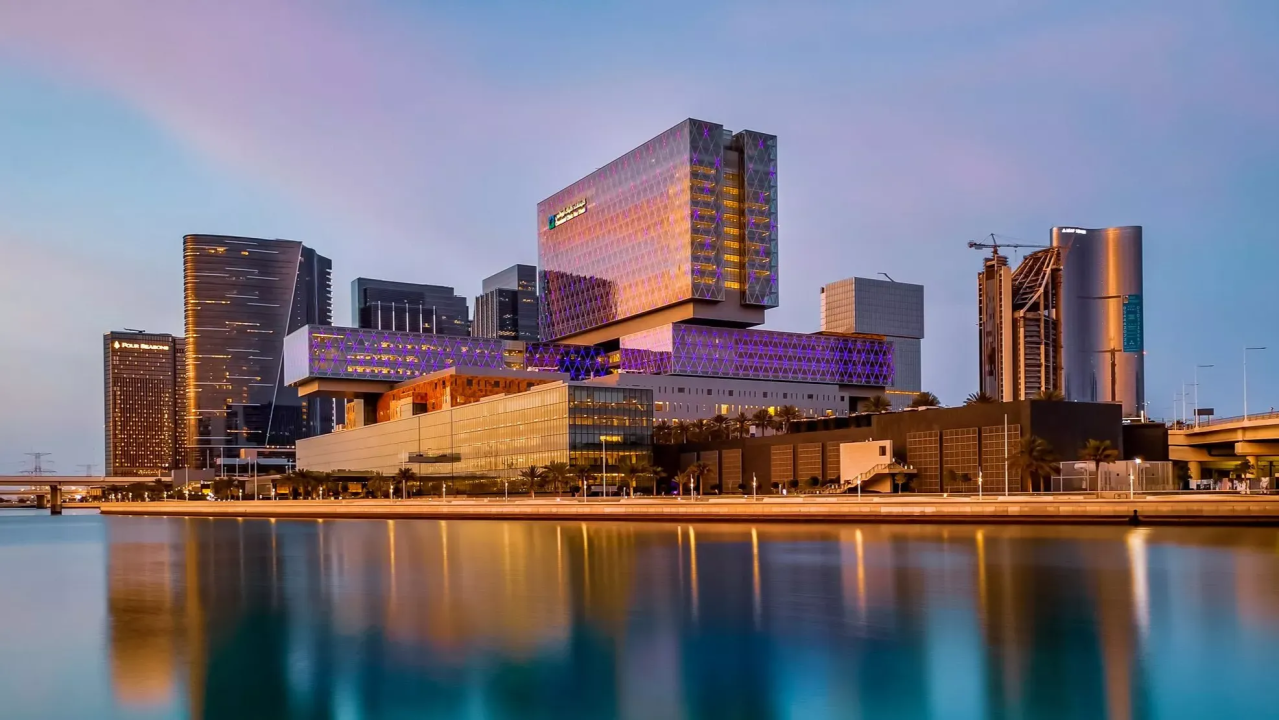
In 2014, I embarked on a journey that would define the next decade of my clinical career and provide a front-row seat to the digital transformation of healthcare in the UAE. As one of 10 pioneering physicians tasked with operationalizing the first Telemedicine Center in the UAE and the Middle East, I was at the forefront of a healthcare revolution.
Early Days: Mubadala's Vision for World-Class Healthcare
Our telemedicine project, a joint venture between Mubadala and Swiss e-health pioneer Medgate Switzerland, was part of a broader vision to bring world-class healthcare to Abu Dhabi. Alongside our initiative, the emirate was witnessing the development of other groundbreaking facilities like Cleveland Clinic Abu Dhabi and Imperial College London Diabetes & Endocrine Centre.
Our office setup on the beautiful Mariyah Island was state of the art, where each physician operated from what resembled an airplane cockpit with three screens, managing patient queues, a proprietary Patient Management System, and a comprehensive knowledge base. While the model was telephone-based, it was revolutionary for the time and, more importantly, the regulations. Under the mentorship of Andy Fischer, Diego Zuccolin and the Medgate team, I delved deep into both operations and technology, sparking a passion that would define my career path.
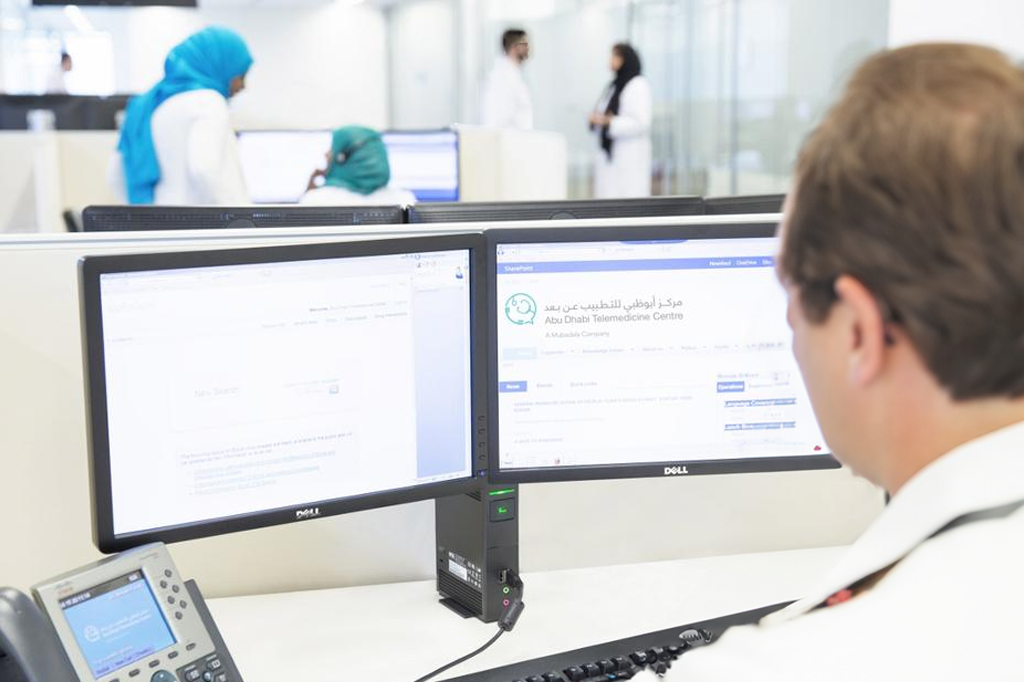 Abu Dhabi Telemedicine Center
Milestones and Innovations
By 2016, we had localized telemedicine guidelines for the region and operationalized the first gatekeeping model, in the region, with ?Abu Dhabi's biggest insurance company, Daman. This experience not only broadened my understanding of digital health but also honed my technical skills, leading me to develop skills in R, Python, and SQL.
In 2018, I joined a pioneering startup Health at Hand healthcare, in the company of visionaries such as Charlie Barlow, Sameer Mankani, and Aftab Arif, where the mission was to develop a video-based telemedicine platform. We became the first to obtain a DHA telehealth license in Dubai - a significant achievement given that such licenses didn't even exist until 2019. I still remember how we celebrated when I saw our 100th patient, a significant milestone for the time. When COVID-19 hit in 2020, our innovative spirit enabled us to meet the sudden surge in demand for remote healthcare services, where we managed to successfully gear up operations and the tech and get acquired by a global fortune 500 blue chip insurance company as their exclusive Telehealth provider.
My journey then led me to Spanish based, MeetingDoctors, where I played a strategic role in scaling operations and fulfilling the requirements for it to be the first European telehealth platform licensed in Dubai. This while managing a portfolio of projects & operations across the UAE, KSA, Nigeria, and Australia - all virtually from Dubai. I was lucky to work with some of the brightest professionals from all over the world such as Albert Cantero Font Pol Alvarez Renieblas & María Palao
Most recently, at Mediclinic Middle East, I enjoyed tackling the challenges of transforming legacy systems, balancing innovation with the realities of brick-and-mortar healthcare delivery. The most challenging task of all, change.
 We moved from telephone-based to video-based teleconsultations
The Future: AI and the Transformation of Healthcare
As I reflect on this decade-long journey, I'm struck not only by how far we've come but also by the revolutionary changes that lie ahead. The rapid advancements in Artificial Intelligence (AI) are set to reshape healthcare in ways we're only beginning to comprehend.
I believe - and I know this is controversial - that AI will eventually replace doctors. Yes, I said it. It's not a question of if, but when. The precision, speed, and learning capabilities of AI systems are advancing at an unprecedented rate, and their potential to diagnose diseases, interpret medical images, and even formulate treatment plans is immense. That is why I also believe that there needs to be constant reminders on this impending reality to emphasize the importance of human oversight, even if it may not be needed.
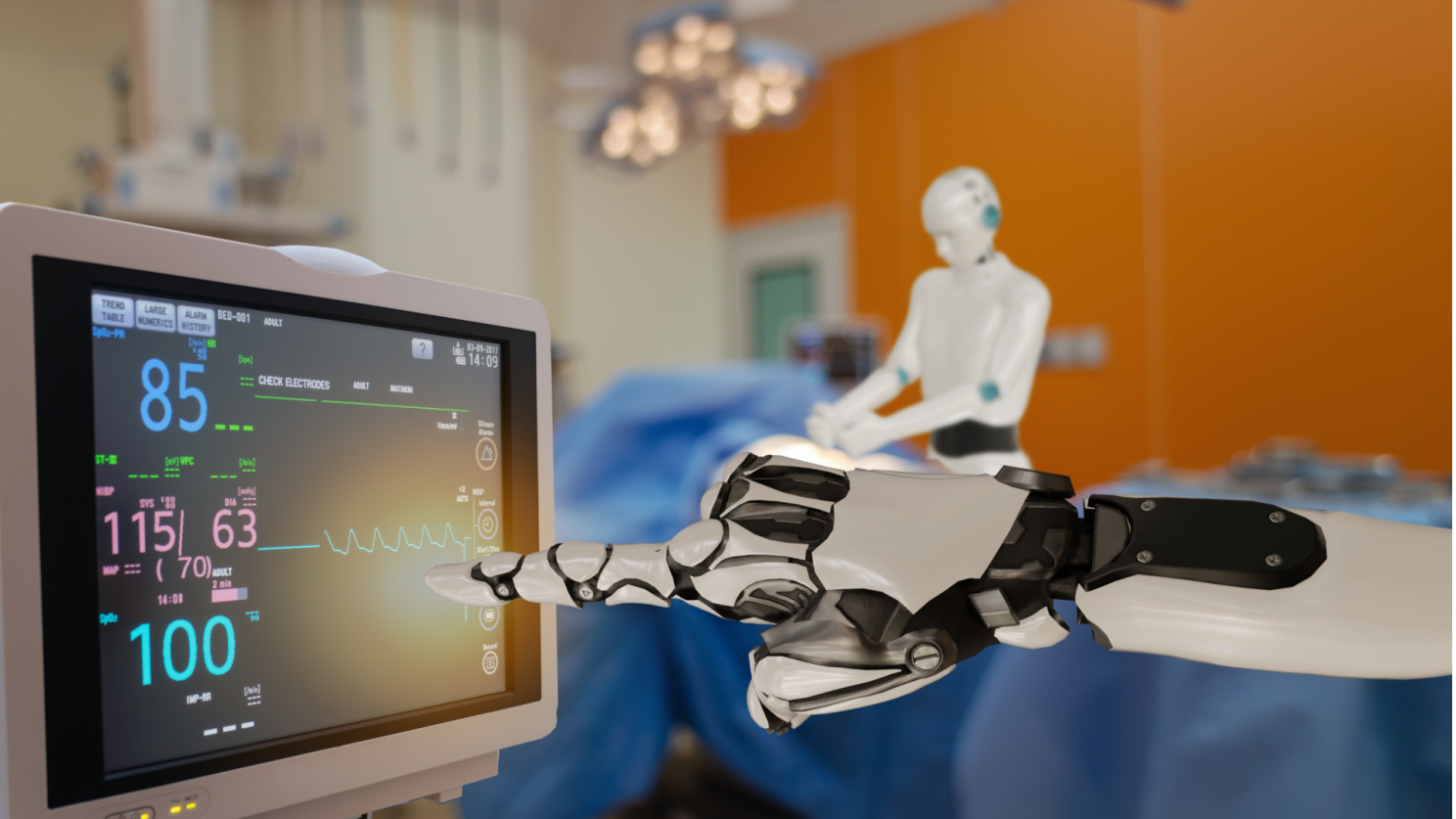 I'm concerned that many healthcare systems and professionals are not adapting quickly enough to this impending reality, risking obsolescence. In my recent experiences, I've observed a reluctance to embrace digital transformation, let alone prepare for an AI-driven future. This resistance isn't limited to any one organization but seems to be a systemic issue across the healthcare landscape, which is historically known to be slow to adapt to change.
For healthcare systems, especially legacy ones, the challenges are significant. Systems need to invest in transforming their infrastructures and training to allow the agile integration of AI systems seamlessly. This requires a fundamental shift in thinking - from seeing technology as a tool to support existing processes, to reimagining healthcare delivery with AI at its core.
The seeds planted by projects like our telemedicine center in Abu Dhabi inspired waves of healthcare innovation in the region and I am proud to have been part of that journey. It is encouraging to see companies like G42 Healthcare having AI as a fundamental component of their DNA and identity.
The challenges ahead are significant, but so are the potential benefits - operational efficiencies, more accurate diagnoses, personalized treatment plans, improved patient outcomes, and healthier populations... true ROI (not just cost savings or increased revenue).
The ?????????????????? present of healthcare is digital. Are you catching up?
#DigitalTransformation #HealthTech #ArtificialIntelligence #FutureOfHealthcare