“Congratulations, it’s… a digital you”
· Dr. Ramy Azzam
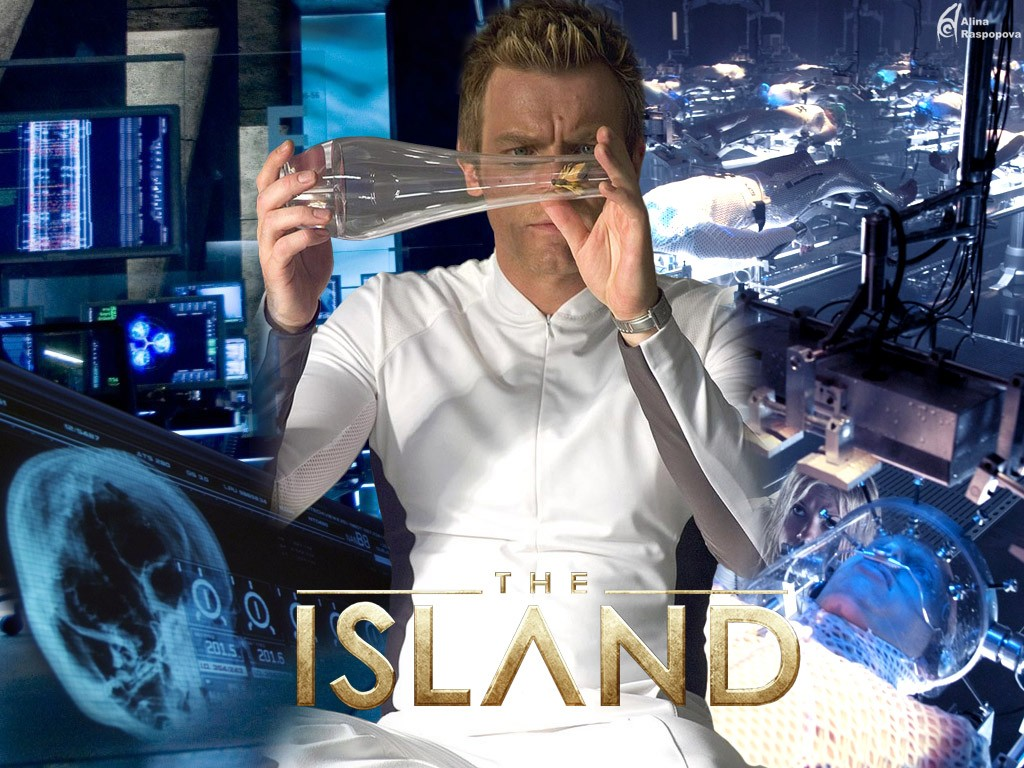
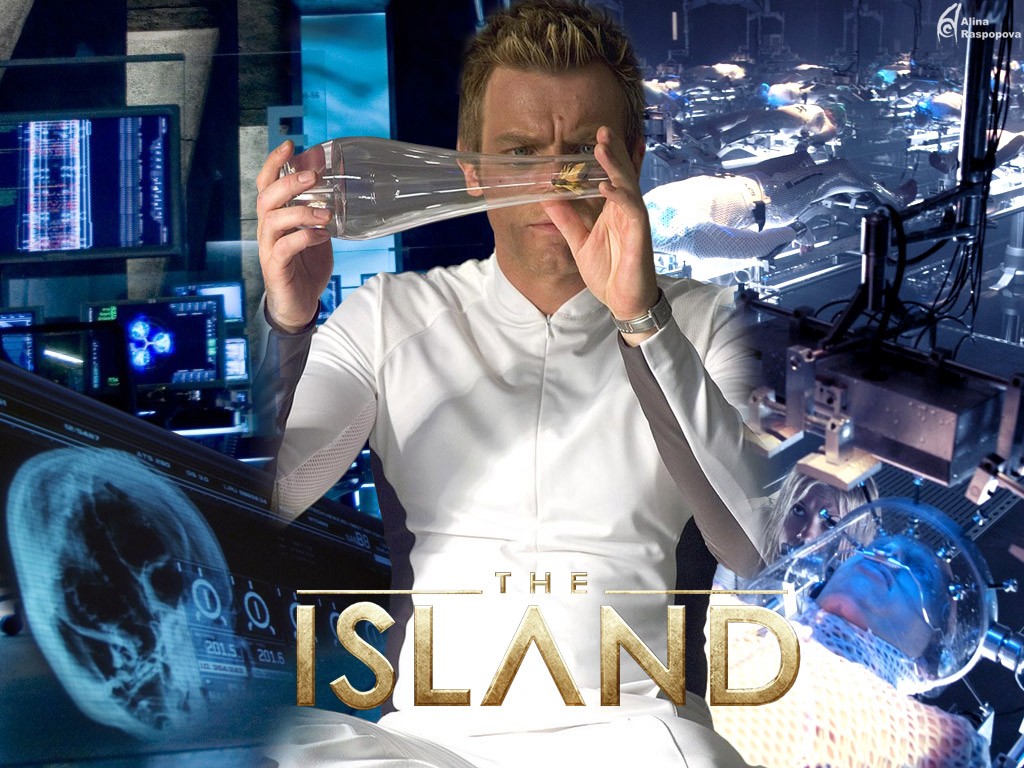
Lincoln Six Echo and Jordan Two Delta live with others in an isolated compound. This community is governed by a strict set of rules. The residents are told that the outside world has become too contaminated to support life with the exception of a pathogen-free island. Each week, one resident gets to leave the compound and live on the island by way of a lottery.
This was the plot of a 2005 movie called “The Island”. In a nutshell (spoiler alert), the movie predicted that in 2019 wealthy people will be able to clone themselves, yes physically clone themselves, and keep their healthy clones enclosed in sterile environments as a health insurance policy. In the movie, the protagonist is a clone of a wealthy architect who has drunk his liver to failure and intends to use the organs of his healthy clone to fix his own.
The movie addresses multiple issues including human rights, privacy, health insurance and just like most sci-fi movies, failed to accurately predict the future. They did get one thing right though, well almost.
We will have clones.
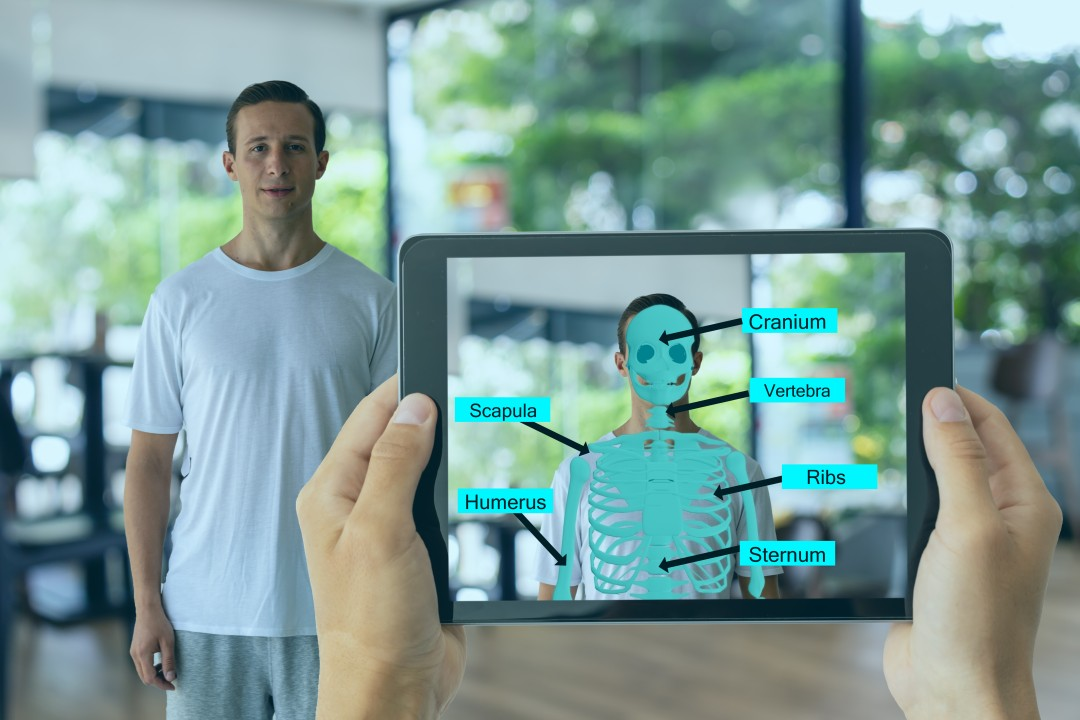
 However, those clones won’t be physical flesh and bones as the movie depicted, rather they will be digital replicas of us, otherwise known as Digital Twins. Digital twins are software representations of assets and processes that are used to understand, predict, and optimize performance in order to achieve improved outcomes.
The concept of the digital twin is not new. NASA first deployed the concept in the 1970s, where engineers on the ground needed to replicate scenarios in space and rapidly account for changes while exposed to extreme unpredictable, or predictable, conditions. This was crucial to train crew and test their readiness for space missions. When the Apollo 13 mission went wrong due to an explosion of one of the oxygen tanks, the crew was going to have to abandon mission and try to get back to earth on limited oxygen and fuel supply and that’s where the digital twin came in play. On the ground, NASA had to simulate various scenarios where they had to bring back the crew on limited oxygen and fuel and they succeeded. NASA called the mission a successful failure.
It is worth mentioning that the mainframe that was used to guide astronauts, communicate with them and create simulations had 64Kbyte of memory and operated at 0.043MHz. To put that into perspective, any modern-day midrange smartphone had about 10000 times the computing power of that mainframe.
Today, the strides achieved in computing power, data collection and communication have snowballed a revolution in data sciences. As with any data, companies pounced on the opportunity to use this data, and healthcare companies wanted in, rightly so.
Several companies around the world are now using medical data to develop digital twin models of human organs. For example, partnering with Ecole Polytechnique Fédérale de Lausannes (EPFL) on its Blue Brain Project, Hewlett Packard Enterprise deployed its supercomputer to create digital models of the brain for research purposes. Philips has created their own version of a virtual heart and with the help of A.I and machine learning Siemens was able to successfully replicate digital versions of other organs of the human body.
With healthcare budgets under increasing pressure, AI tools such as the digital heart twin could save tens of thousands of dollars by predicting outcomes and avoiding unnecessary medical interventions.
A shortage of specialized doctors in countries such as India and China is also spurring demand for new AI tools to analyze medical images and the race is on to commercialize products that could shake up healthcare systems around the world. While AI has been used in medical technology for decades, the availability of vast amounts data, lower computing costs and more sophisticated algorithms mean revenues from AI tools are expected to soar to $6.7 billion by 2021 from $811 million in 2015, according to a study by research firm Frost & Sullivan. The size of the global medical imaging analytics software market is also expected to jump to $4.3 billion by 2025 from $2.4 billion in 2016.
As with any data, controversy is inevitable. Data protection, security and privacy are potential hurdles to achieve the full potential of the Digital Twin.
Boris Bogdan, managing director at Accenture’s life science practice in Switzerland, believes the ownership of data is a gray zone that could lead to a patient backlash if companies start making fortunes from it.
“When Facebook started nobody really cared who owned the information,” he said. “Now that people understand that Facebook earns tremendous money with their data, questions like data privacy, data usage and data monetization are becoming more visible.”
 We’ve come a long way but we still have a longer way to go. The ongoing pandemic is a reminder that we haven’t fully capitalized on available data and the analytic power of existing technologies to predict potential crises. There are many reasons why that is, yet we are learning to eliminate unnecessary barriers and place human welfare at the heart of our missions.