Climbing the Steep Mountain: Why I Prefer a D2C Strategy in Healthtech
· Dr. Ramy Azzam

When it comes to building a digital health company, conventional wisdom nudges founders toward the B2B or B2B2C path. It’s logical: healthcare systems, insurers, and employers have the budget, infrastructure, and strategic incentive to adopt innovation. But despite the longer sales cycles and higher compliance burdens, many healthtech companies see this route as a safer, more stable ascent. Yet, here I stand, choosing the steeper, less-traveled path: D2C. A direct-to-consumer strategy. And I’m doing it by design.
In this article, I’ll walk through why I’ve chosen D2C, even when logic screams otherwise. I’ll explore the benefits, the risks, and the deeper reasons rooted in user empowerment, brand authenticity, speed, and long-term defensibility. This isn’t just a strategy choice; it’s a philosophy about the kind of impact I want to have in health.
The Conventional Route: Why Everyone Loves B2B
Before I climb into the D2C mountain, it’s worth acknowledging why B2B is so widely favored:
Big Contracts: Enterprise deals often reach hundreds of thousands to millions of dollars.
Defined Procurement Channels: Health systems and insurers have procurement pipelines that, while bureaucratic, provide structure.
Long-Term Revenue: Once integrated, it’s hard for institutions to switch providers. This builds long-term stability.
Higher Barriers to Entry = Moats: Navigating regulatory hurdles and legacy integrations creates defensibility.
So why not follow the path of least resistance?
Because that path can also lead to stagnation. Innovation filtered through layers of bureaucracy becomes diluted, delayed, or distorted. And that brings me to the core of my belief.
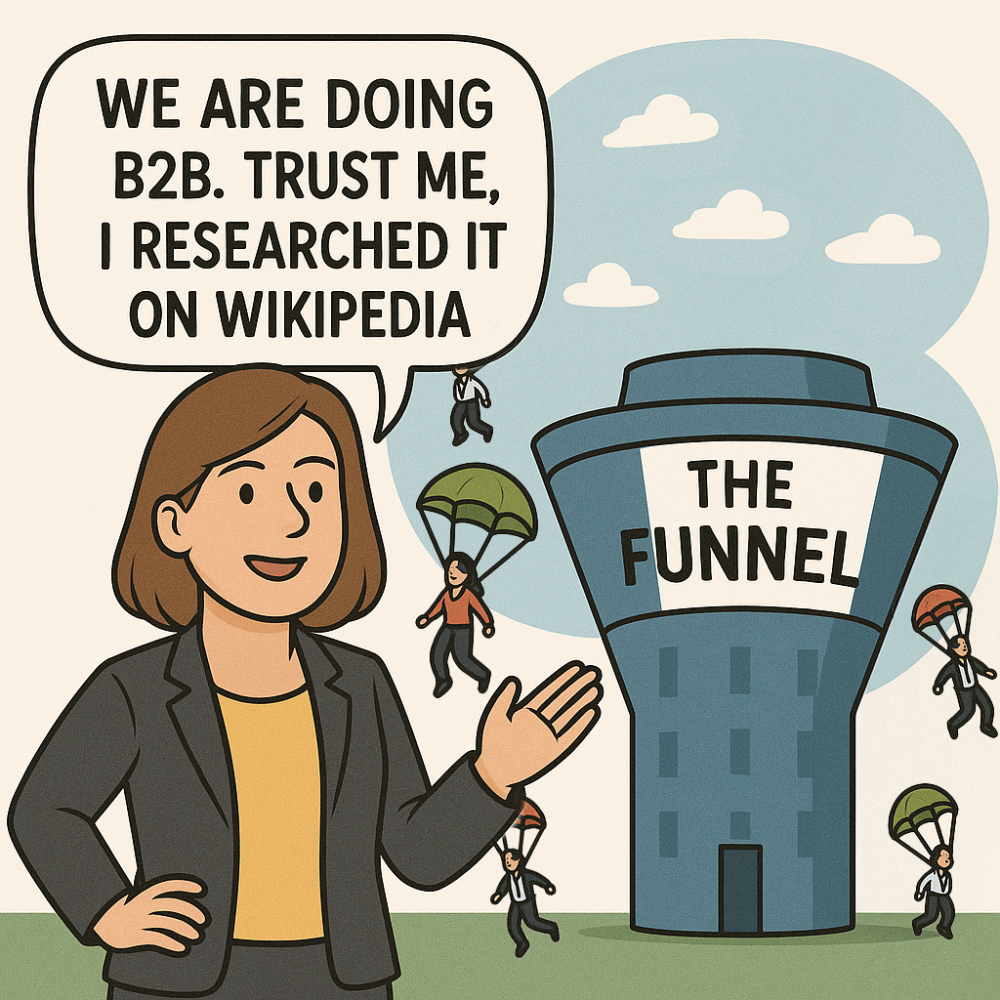 In Healthtech, B2B can lead to High Attrition
Why D2C, Even When It Hurts
1. You Own the Funnel
In D2C, you are not renting your users from an enterprise client. You own the relationship. You understand their pain, their patterns, and their behaviors. This is a strategic superpower.
A D2C approach allows for direct feedback loops, constant iteration, and emotional connection. You're not trying to convince an intermediary of value; you're proving it directly to the end user. That authenticity leads to insights that no procurement meeting will ever uncover.
2. Speed of Learning
B2B pilots often take 6–18 months to get started, only to stall from lack of workflow integration or competing priorities. In D2C, you can run ten A/B tests in a week. You ship fast. You learn faster.
This speed becomes critical in healthcare, where conditions, mental states, and life changes evolve daily. A slow feedback loop in healthtech can mean irrelevance.
3. Brand Equity and Trust
In B2C, trust is earned at the user level. If you win people’s hearts, you build not just a customer base but a community.
In healthtech, this is even more important. Users want to feel that they matter, that they’re not just another CPT code. A D2C-first brand shows up in the user’s life with empathy and consistency.
4. True User-Centered Design
Designing for the enterprise can often mean designing for admin dashboards and executive reporting, not end-user experience. In contrast, D2C forces you to design for what the user feels, not just what the client wants to measure.
The result? Products that are more human, more usable, and more impactful.
5. Market Defensibility Through Community
In B2B, switching vendors is a cost. In D2C, switching communities is an emotional decision. If you’ve built a movement, not just a feature set, your users will stay, and advocate for you.
This emotional moat is hard to quantify but powerful in creating resilience.
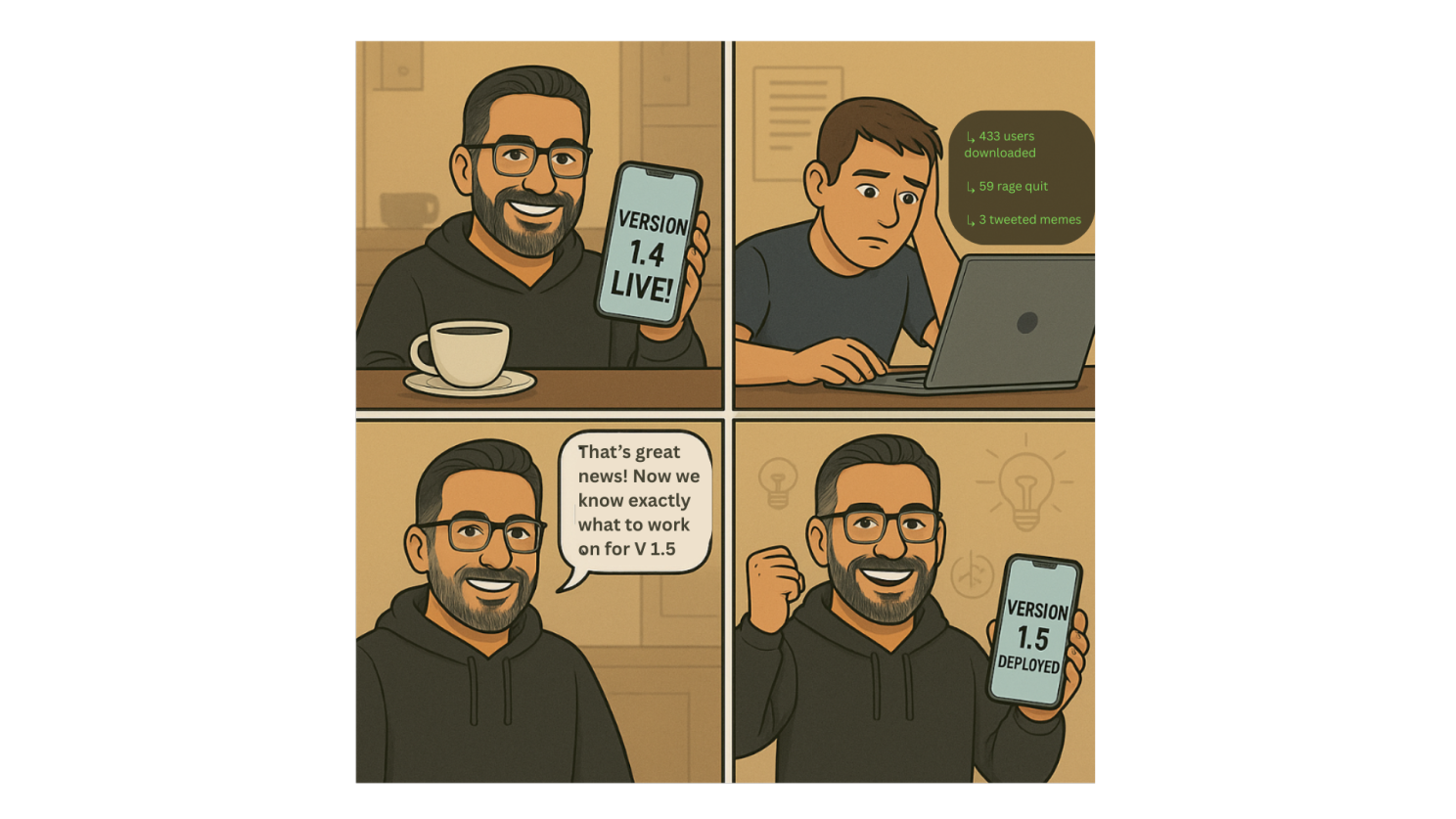 Iteration is Key
The Elephant in the Room: D2C is Hard, duh!
Yes, D2C is a steep climb. It comes with:
High Customer Acquisition Costs (CAC)
Low initial willingness to pay
Intense competition for attention
High expectations for UX and support
But these are challenges, not deal-breakers. And with the right strategy, they can be mitigated.
Strategic Hybridization: D2C as a Wedge
Interestingly, D2C doesn’t have to exclude B2B. In fact, I treat D2C as a wedge strategy:
Prove product-market fit with real users.
Gather powerful usage and outcome data.
Use those insights to negotiate better B2B or B2B2C deals later.
The Emotional Case: Why I Work on This Daily
All strategy aside, we are in this to serve end users (I don't like to call them patients), not procurement teams.
When a user leaves a feedback that that our tool helped them, that matters more than a conversion rate. When a parent says our platform helped them sleep better at nigh, that’s the ROI we care about.
Health is human. That’s why we climb the D2C mountain.
Final Thought: Steep Climbs Yield the Best Views
D2C in healthtech is not the easy way, but it may be the right way, at least for those of us who want to build truly human-centered, trusted, and impactful products.
So yes, it’s a steep climb.
But the view; direct user stories, real-world impact, and community... is worth it...??