Continuous Intelligence Beyond Silos
· Dr. Ramy Azzam
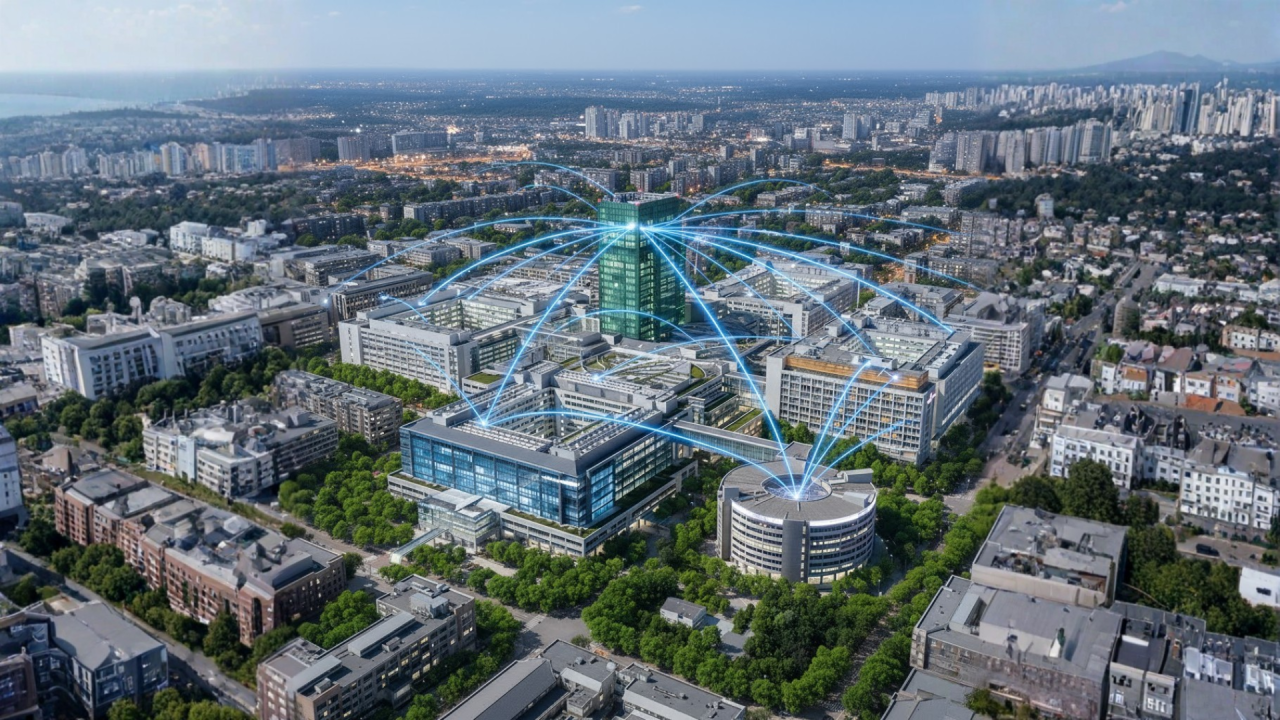
We’ve been talking for years about fragmentation in healthcare and why connection by design is not a nice to have anymore.
In digital health, this problem is narrowed down to a single concept: interoperability. The dream of frictionless data sharing between hospitals, labs, and clinics. Small incremental and iterative steps have been taken to enable interoperability. HL7 FHIR and OpenEHR (pronounced "open-air") are great attempts at harmonizing data exchange protocols. FHIR focuses on messaging and data exchange, while OpenEHR focuses on data persistence and modeling. As of recently, there are active efforts to make both standards work better together. Not only so systems can talk to each other, but so the protocols themselves can be functionally and technically compatible. Which is great!
But is it enough?
The truth is, even if every EHR, HIE and smart device on the planet spoke the same language, healthcare organizations would still be only halfway to true interoperability or what I would like to call Continuous Intelligence.
Because real interoperability is about connecting every moving part of a healthcare organization. From the HR system that manages clinicians' schedules, to the finance engine that tracks cost-of-care, to the supply chain platform that makes sure the right device is in the right operating room at the right time. The future of healthcare touches every vertical that shapes patient experience and organizational resilience.
When Interoperability Stops at the Clinic Door
Walk through any hospital who has achieved true digital health transformations (those are few by the way), not innovation theatre, and you'll see the same pattern. The clinical systems are advanced, often cloud-connected, and (mostly) interoperable. But anything that is beyond that probably lives in silos. HR, finance, and operations systems around them run on separate tracks. A patient's care pathway may be digital, but the processes that support it (payroll, staffing, procurement, customer engagement) remain disconnected.
The result?
Brilliant clinical insights trapped inside administrative silos. Finance teams can't see how treatment pathways influence cost structures. HR leaders can't dynamically align workforce schedules with patient flow. And patients, despite all the digital touchpoints, still feel like they're navigating multiple organizations rather than one coherent system.
Interoperability, in its truest sense, is about ensuring that information moves freely wherever decisions are made.
Picture a healthcare enterprise where predictive staffing models draw from both HR and clinical data. Where supply chains adjust automatically based on upcoming surgical rosters. Where the finance dashboard reflects not just revenue and expenses but real-time patient outcomes. That is where the next wave of digital transformation is (and should be) heading.
The Movement Behind the Scenes
While most headlines still revolve around EHR vendors, powered by bolted on solutions, cloud infrastructures and AI agents, a handful of enterprise movements are doing it right.
These players are connecting the dots by design rather than by bolting on. Their approach focuses on breaking down the barriers between operational and clinical systems, creating a unified backbone that supports both patient care and organizational efficiency. The goal isn't to replace existing EHRs but to extend their reach as a node in a larger, smarter network.
A model that I full heartedly condone, one that combines enterprise resource planning, supply chain management, and human capital systems with healthcare data capabilities. A model where interoperability becomes a horizontal layer across the entire organization, not a vertical one limited to clinical exchange. A model where healthcare systems talk and think together.

Why This Matters Now
Healthcare is no longer defined only by what happens in the exam room. Workforce shortages, inflation, and shifting patient expectations are forcing organizations to operate as tightly integrated ecosystems. Data that once lived in isolation now determines how efficiently a hospital can recruit, retain, and resource its workforce, manage costs, or personalize the care journey.
A fragmented digital infrastructure can't keep up with these demands. Without interoperability across business functions, even the most advanced clinical systems risk becoming islands of excellence surrounded by operational inefficiency.
Interestingly, expanding interoperability isn't just a technical exercise. It's cultural. It requires departments that once operated in silos to share context and accountability. It asks IT leaders to think less about connecting software and more about connecting intent. And it reminds us that every byte of data, whether from a patient encounter or a payroll system, tells part of the same story.
In this sense, interoperability becomes a philosophy: a belief that information should flow without friction, empowering every person (clinician, administrator, or patient) to make better decisions faster.

Toward Continuous Intelligence
The next chapter of interoperability will blur the lines between the clinical and the corporate. Hospitals will not only exchange health data but also harmonize the operational and social signals that sustain care delivery. AI will predict workforce needs and resource gaps before they occur. Finance dashboards will mirror patient outcomes, not just revenue cycles. Supply chains will become self-adjusting ecosystems. Clinical will be augmented to address social determinants.
And maybe, just maybe, we can prevent bad things from happening.
The organizations that will thrive in the next decade are those that see continuous intelligence as an enterprise capability, not a compliance checkbox. They'll invest in architectures that unify data across people, processes, and platforms. They'll measure success by how seamlessly their entire ecosystem collaborates.
And as major technology providers continue to converge clinical and enterprise data models, healthcare will begin to look less like a network of disconnected systems and more like a living, learning organism.
Because at its heart, it's about healthcare finally speaking with one voice. Clear, connected, and continuous.