My Midlife Crisis Never Looked Better
· Dr. Ramy Azzam
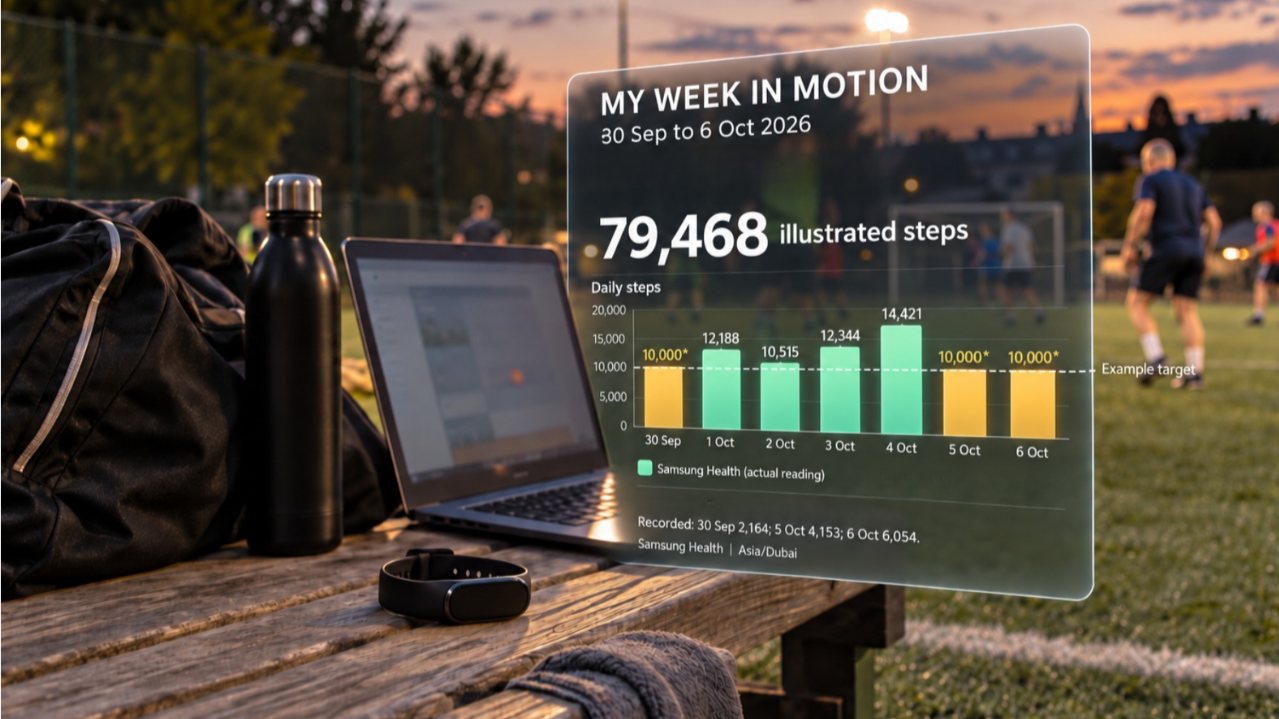
My midlife crisis has acquired a fixture list. At 43, I sometimes play football four days in a row, and I look and feel better than I have in a long while. My joints retain the right to submit a minority report, which seems a reasonable arrangement between a man and his knees. There is something wonderfully reassuring about discovering that this stage of life can contain more play, more company and more interest in what my body can do, rather than simply a longer list of things it ought to avoid.
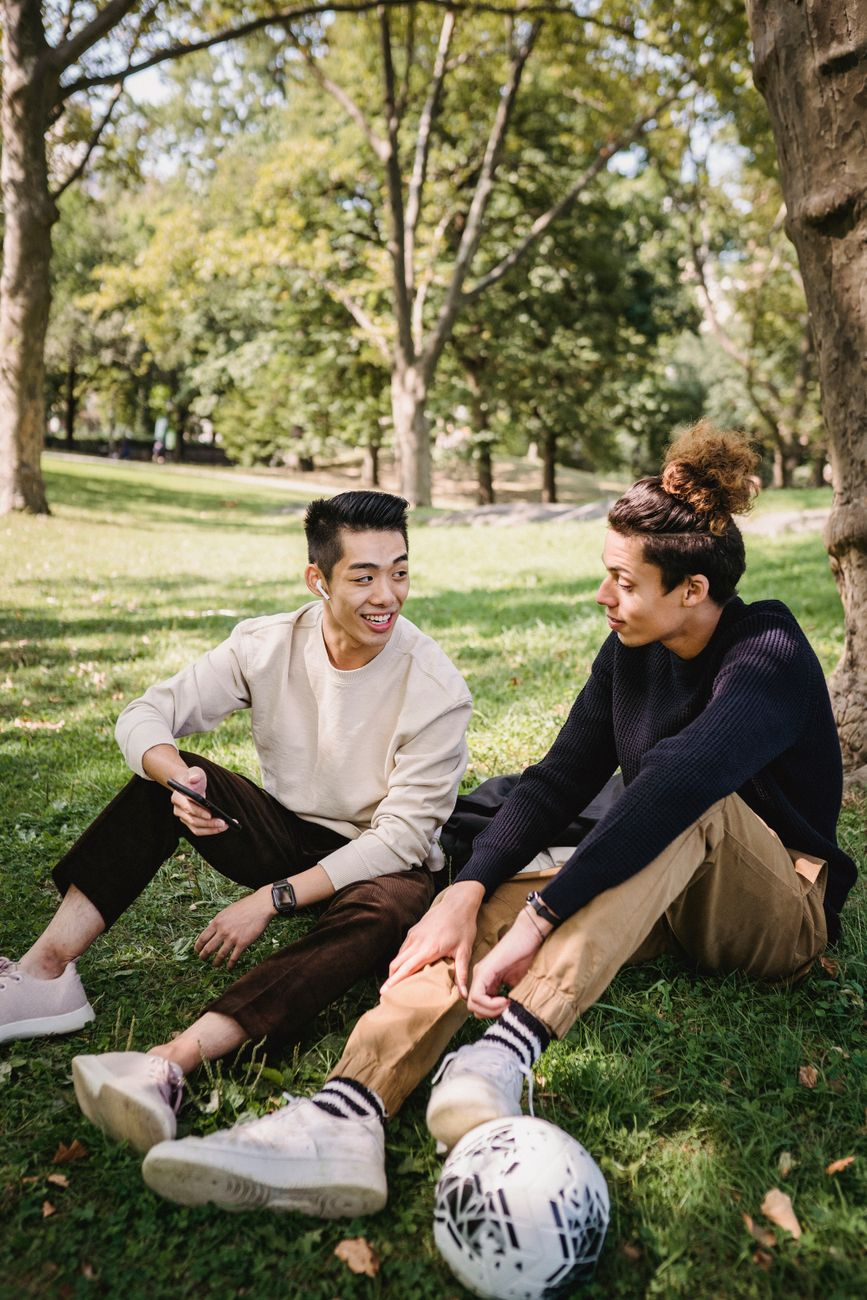
The surprising part is how much of this comes down to the people around me. Our football community keeps growing, and access to world-class amenities gives that community somewhere to meet. Together, they make participation feel like part of life rather than another task competing for space in it. There is a game to look forward to, people to join and a reason to return that has very little to do with closing a ring on a screen.
That has made me think differently about what I mean when I say I feel healthier. The absence of something worrying is welcome, of course, but it does not quite describe the pleasure of being able to play, enjoy the company and want to do it again. Capability gives the conversation another dimension: what can I still do, what would I like to keep doing, and what conditions help me sustain it? Those questions feel much closer to the life I want than a birthday or a dashboard alone.
The people did the heavy lifting
An exercise recommendation carries assumptions about the life it enters. Someone needs time, access, an activity they actually enjoy and enough confidence to turn up for the first time. Advice can be perfectly sound while leaving all of that work to the person receiving it. Football has given me something I want to return to, and the community has given that activity a social life. Good facilities make the intention practical; people make it appealing.
I would be careful about turning my four consecutive days into somebody else's target. They belong to my circumstances, my enjoyment and my recovery, and frequency alone tells us very little about what suits another person. The useful lesson is in the conditions around the activity. A welcoming group, a suitable place and a rhythm that fits someone's life are worth more attention than the temptation to copy another person's fixture list.
This is why social prescribing interests me. NHS England describes health professionals referring people to local, non-clinical support, with link workers helping them connect to community groups and services. My football community is a personal example of the kind of opportunity someone might benefit from finding, rather than a claim that we run a formal referral programme. The distinction leaves room to learn from the experience without dressing it up as a clinical intervention.
A referral still needs somewhere to land. People need to know how to join, what it costs, whether the timing works and whether they will feel welcome when they arrive. A list of activities is useful, but it leaves those practical questions waiting for an answer. In my work on CIGMA, and in my own experience of community, I keep coming back to that receiving side: the point where a person can see what happens next and whom they can ask for help.
For anyone building a health service, that is a design problem as much as a clinical one. We can spend a great deal of effort making the recommendation look polished while leaving the next step vague. I would rather start with the arrival: who welcomes the person, how the first visit works, and what makes returning easier. A dashboard might help us understand participation afterwards, but it cannot do the welcoming for us.
A quiet record, and a place to think
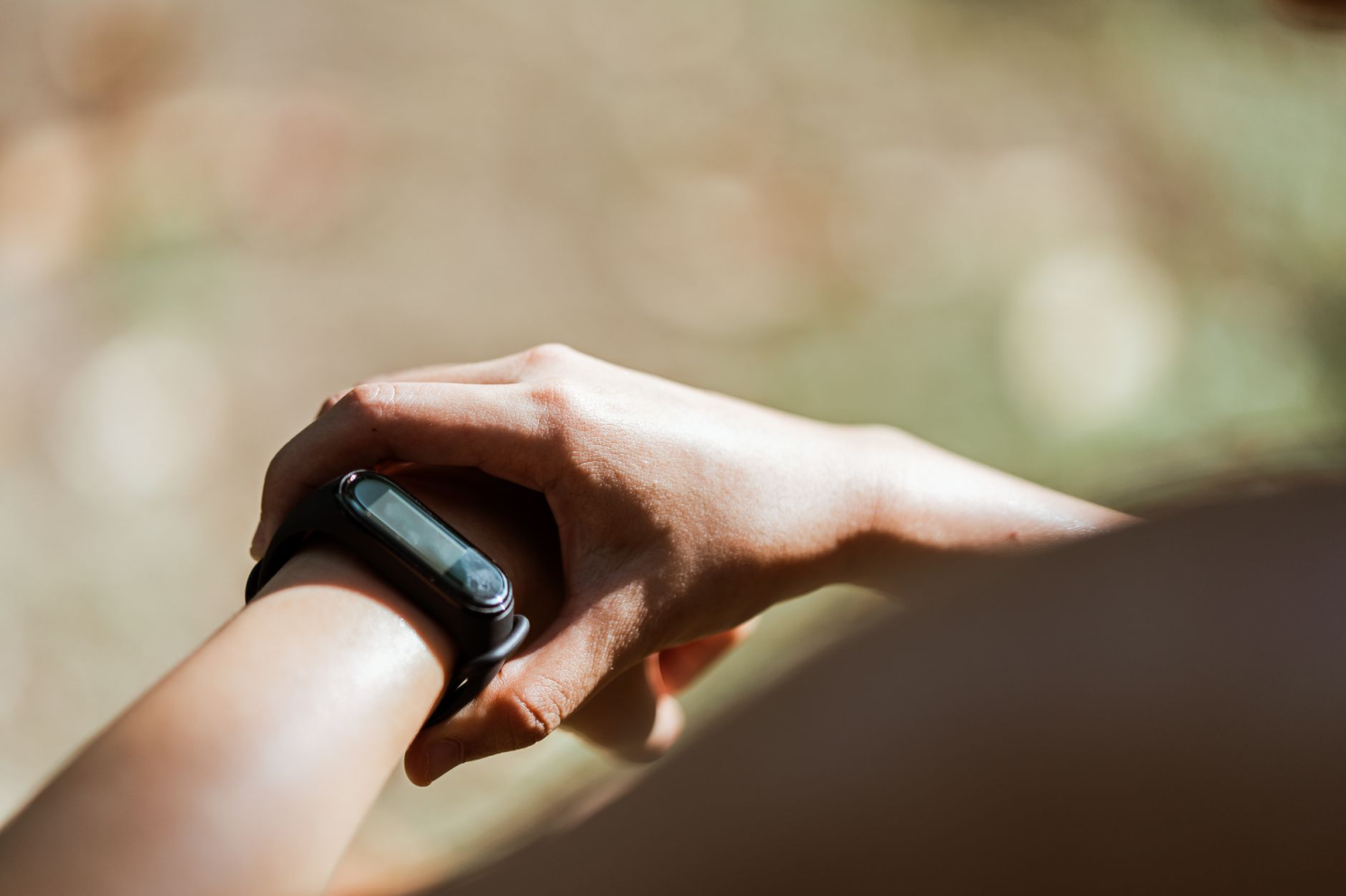
My Samsung Fit 2 records quietly in the background while I get on with life. I like that arrangement because the activity remains the thing I am doing. The readings give me a record to revisit alongside my own sense of how I feel, rather than requiring the game itself to become a performance for the device. Looking and feeling better remains my experience; the record cannot separate how much came from football, the company or everything else happening around it.
A number can nevertheless arrive with an impressive air of certainty. A device measures some things, its software estimates others, and the results may reach us as summaries or scores that hide those differences. I want to be able to tell what was recorded, what was worked out and what is missing before I give a figure a place in a health decision. That is a fairly ordinary expectation, but it becomes easy to forget when the chart looks good.
Inside Collabor8, the software I built to work with a team of AI agents, I have built a fitness tracker and am building a health coach. The idea is to bring the readings into a conversation where different agents can examine the same question, research trusted sources and a carefully curated knowledge base (through cache augmented generation) and help me think through what deserves attention.
This is the governance question: once software starts commenting on health, the source and quality of the information become part of its responsibility. Finding a mistake here matters more to me than adding another confident answer on top of it.
Several agents agreeing also does not make them clinicians. They may share the same mistaken assumption, so I want their contribution to remain open to inspection.
↳ Where did the reading come from?
↳ Does it cover the period we are discussing?
↳ Is the response describing an observation or adding an inference?
The coach has no established ability to prevent overtraining, and any decision about recovery still needs experience and appropriate clinical judgement. The agents can help organise the questions and the answers; responsibility stays human.
I find the most useful question is what the information might change. Perhaps it gives me a reason to examine how I feel, compare one period with another or ask whether something deserves a professional opinion. Collecting more readings is easy to mistake for progress, but their value depends on the decision they help someone make. A suggestion I can trace back to its source and uncertainty is more useful than an answer whose confidence I have no way to examine.
What happens after the signal
That question reaches beyond my personal setup. On 2 September 2026, Oura announced an expansion of its Menopause Impact Scale through a partner network, bringing a shared way of describing menopause's impact into health and care conversations. It concerns a different population and a different device from mine. An announcement does not establish better outcomes or confirm every proposed connection is operating, but the effort to give people and care teams a common language is relevant to the wider problem of making everyday information useful.
The next step still belongs to a person. Someone must read the information, put it in context and decide whether it changes anything. My working test for the coach is the same one I would bring to a health service: can I follow the path from the reading to the suggested action, understand the uncertainty and explain why the suggestion fits this particular person? More data does not answer that question by itself.
The #Ramyfications worth holding onto begin with people, places and the possibility of staying capable. The community gets me onto the pitch, the facilities make it possible to return, and the readings give me something to reflect on afterwards. I want the tools I build to support that life, with enough honesty to show their own limits. My joints may still file their minority report, but for now I am enjoying the game, the company and this unexpectedly productive version of a midlife crisis.