The F-Word That Might Make You a Better Leader
· Dr. Ramy Azzam
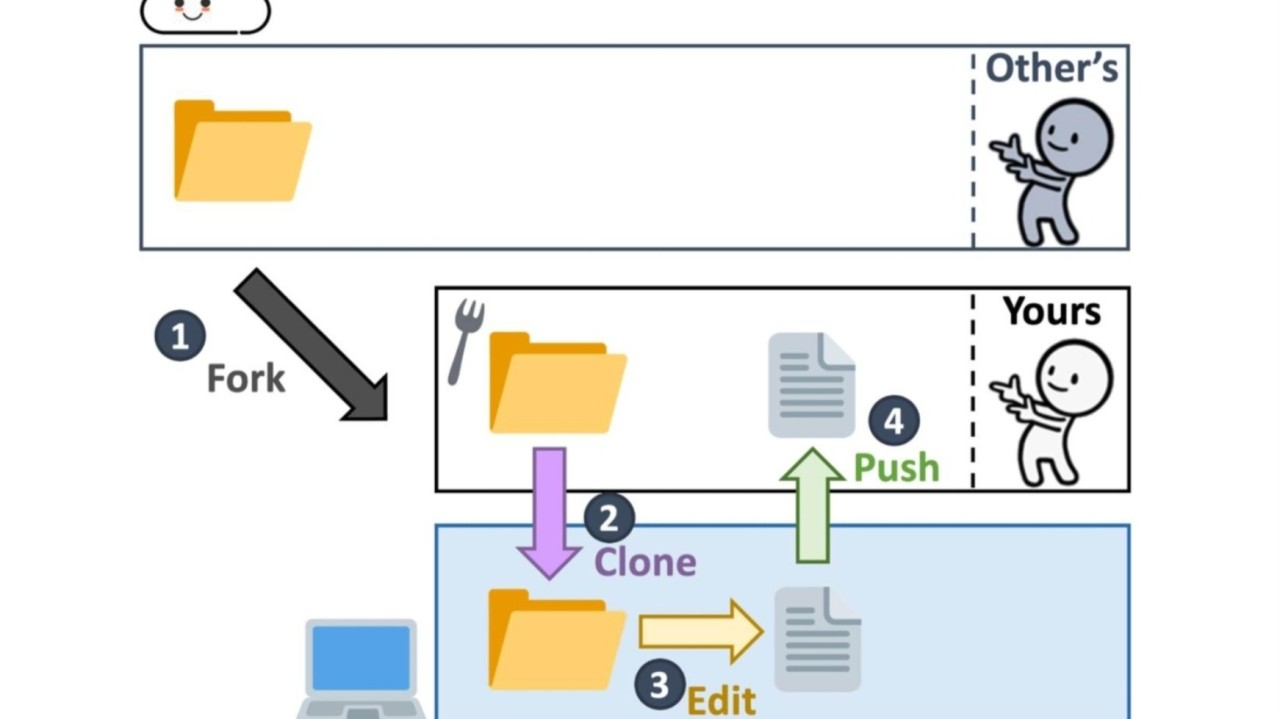
Every healthcare executive faces the same fundamental challenge: How do you innovate responsibly, and what do you do when your initial approach proves inadequate?
Unlike Ross from Friends frantically yelling "PIVOT!" while trying to maneuver a couch up a narrow staircase (spoiler alert: it didn't fit), effective strategic pivoting requires advance planning, not panic-driven course corrections that leave everyone exhausted and furniture-less.
The answer may lie in the humble software development practice that happens to be the only F-word your compliance officer will actually encourage you to use in meetings: FORKING!
While your developers understand forking as a technical necessity and probably roll their eyes when you ask them to explain it for the fifth time, this innocent, yet provocative-sounding, concept offers a potrntially powerful strategic framework for healthcare innovation, program development, and navigating decisions that define professional and, maybe even personal decisions.
Forking Decoded: The Strategic Architecture of Optionality
In software development, forking creates an independent branch that can evolve separately. Strip away the technical jargon, and forking is fundamentally about strategic optionality, preserving choices while maintaining forward momentum. It's like having multiple backup plans, except these backup plans are actually working on solving the problem simultaneously rather than gathering dust in a PowerPoint deck.
The strategic elements are simple. First, preservation of core value ensures the original codebase remains intact while new approaches develop. Second, risk-managed innovation allows experimentation without compromising the main line of business. Most importantly, the mere option to fork provides a mechanism for safeguarding against despotic decisions by the project lead, who is thus guided in their actions to consider the best interest of the community.
Now translate this to strategy development. If every major program initiative follows this pattern, we would have the ability to diverge when stakeholder needs demand it, while preserving the core mission that brought us to this point. It's like being a parent: you love all your children equally, but sometimes one needs to go to a swimming class while another needs math tutoring.
The Art of Strategic Divergence in Program Management (Or: How to Have Your Cake and Fork It Too)
Every successful program manager intuitively understands forking, even if they've never used the term.
You begin by establishing the main branch, defining core objectives and success metrics, building foundational infrastructure and capabilities, and creating governance structures that can support multiple approaches simultaneously.
Next comes identifying fork points, recognizing when stakeholder needs diverge significantly, mapping friction points before they become crisis situations, and designing decision architectures that preserve multiple viable options.
The execution phase involves launching parallel workstreams that address different stakeholder priorities while maintaining communication channels that enable knowledge transfer between forks. You establish clear criteria for when forks should merge, diverge further, or be discontinued entirely based on performance data and changing circumstances.
This isn't resource inefficiency, it's strategic insurance. The ability to create high-quality software artifacts that are usable over time is one of the essential requirements in development, and the same principle applies to healthcare programs that must serve diverse populations with varying and evolving needs.
Forking as a Strategic Discipline Without the Discipline of a Monastery
For healthcare leaders ready to implement forking principles, the framework begins with strategic optionality assessment. This means mapping critical decision points in your current initiatives, identifying natural fork opportunities that emerge from stakeholder needs, and honestly assessing your resource capacity for maintaining multiple development tracks without compromising quality, basically asking yourself, "How many balls can I juggle before I start dropping them?"
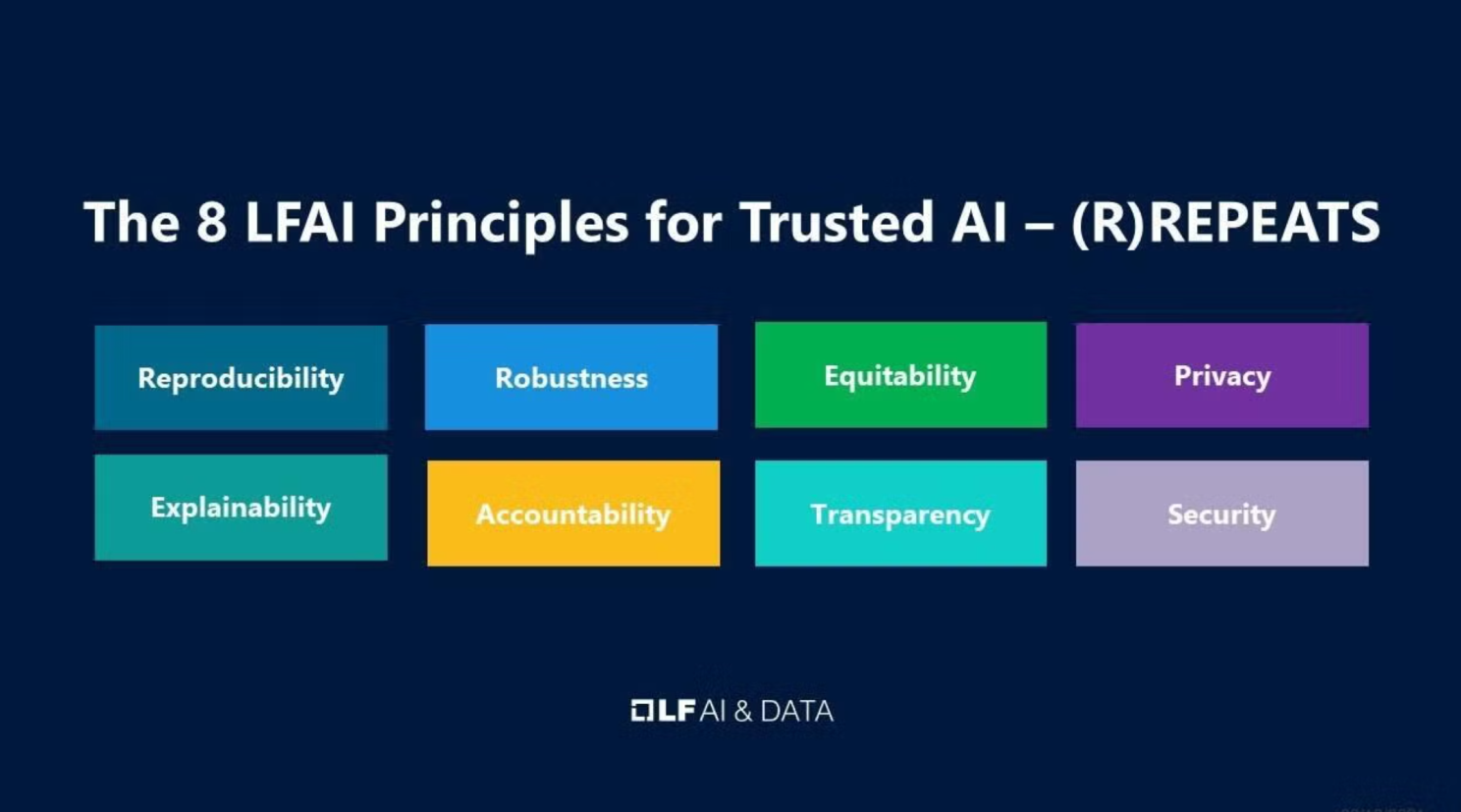
Governance design becomes crucial at this stage. The Linux Foundation's Trusted AI working group defined principles captured by the acronym REPEATS, Reproducibility, Robustness, Equitability, Privacy, Explainability, Accountability, Transparency, Security. You need to establish clear criteria for when to fork, merge, or discontinue branches, while building communication protocols that prevent forks from becoming isolated silos where people start speaking in acronyms and nobody understands what anyone else is doing.
Cultural preparation requires training teams to view strategic divergence as organizational strength rather than leadership indecision. You must develop comfort with parallel development and iterative convergence while creating psychological safety for team members to propose new forks when circumstances change or new opportunities emerge. Basically, creating an environment where people feel safe to say, "I have a crazy idea that might actually work," without fear of being volunteered to present it to the board next week.
Finally, measurement and learning systems need to capture value across multiple strategic branches simultaneously, build feedback loops that enable rapid adaptation based on real-world performance, and document fork rationales and outcomes for organizational learning and future decision-making. This is where you avoid the classic mistake of every failed relationship: poor communication and unclear expectations.
Why Healthcare Can't Afford Linear Thinking or Just Winging It
Healthcare AI stakes are simply too high for traditional linear development approaches. Given the high risk associated with healthcare, coupled with a worsening shortage of healthcare professionals, there is an urgent need for AI to help, whether it is streamlining operations, assisted decision making, predictive analytics, and (dare I say) provide interventions that can potentially save lives.
Yet the existing playbook scarcely addresses AI's influence on human interactions, emotions, and behavior. We need strategic approaches that can simultaneously advance innovation while preserving human-centered care that patients and clinicians value, basically, we need AI that enhances humanity, even if it that means replacing it with the emotional depth of a customer service chatbot.
But that means that we, as humans, need to adapt, pivot… fork.
This isn't about hedging bets, it's about responsible innovation that preserves the best aspects of current practice while systematically building toward better futures for patients, families, and healthcare teams.
Evolution, not revolution, except evolution with a strategic plan and better project management.
The Leadership Imperative: How Not To Looking Like You Have Multiple Personality Disorder?
Healthcare leaders face an unprecedented convergence of technological capability, regulatory complexity, and human need. Linear thinking, the assumption that we must choose one path and stick to it regardless of changing circumstances, is inadequate and potentially dangerous for the patients and communities we serve.
Unlike trying to force a couch through impossible angles (sorry, Ross), strategic forking offers resilience through multiple pathways that reduce single points of failure, responsiveness that enables pivoting based on emerging evidence, inclusivity that allows different approaches to serve different stakeholder needs effectively, and innovation acceleration through parallel development that speeds learning and discovery.
 Source: Fight Club, the movie
The meta-lesson transcends specific applications: Whether you're developing AI strategies, managing complex clinical programs, or navigating personal career decisions, the underlying principles remain constant: Preserve optionality whenever possible.
Design systems for divergence rather than convergence. Build organizational and personal capacity to fork effectively when circumstances demand adaptive responses.
The Fork in Your Road
 The literal fork at 1430 Uhls Road, Kentucky
Every significant decision you face as a healthcare leader is essentially a forking opportunity. The question isn't whether to fork, it's whether you have the strategic architecture in place to fork effectively when the moment arrives and stakes are highest. Ask yourself: "Do I have a Plan B, Plan C, and maybe a Plan D that doesn't involve panic and improvisation?"
Your next board meeting, your next program planning session, your next career decision, approach each with the forking mindset. Consider what maintaining multiple viable paths would look like in practice, how you can preserve optionality while maintaining forward momentum, what governance structures would enable responsible divergence, and how you can build systems that serve diverse stakeholder needs simultaneously without compromising quality or safety.
The future of healthcare depends not on choosing the perfect path from the start, but on building the organizational and personal capacity to navigate multiple paths intelligently as circumstances evolve.
In software development, this is called forking.
In healthcare leadership, it's called wisdom.
In investing, it’s called diversifying your portfolio.
In life, it's called not putting all your eggs in one basket.
The most successful strategies aren't those that choose correctly from the beginning, they're those that preserve the ability to choose correctly when it matters most for outcomes and sustainability.
How will you fork up your next strategic challenge?