The Imperative of Learning Health Systems for Integrated Providers
· Dr. Ramy Azzam
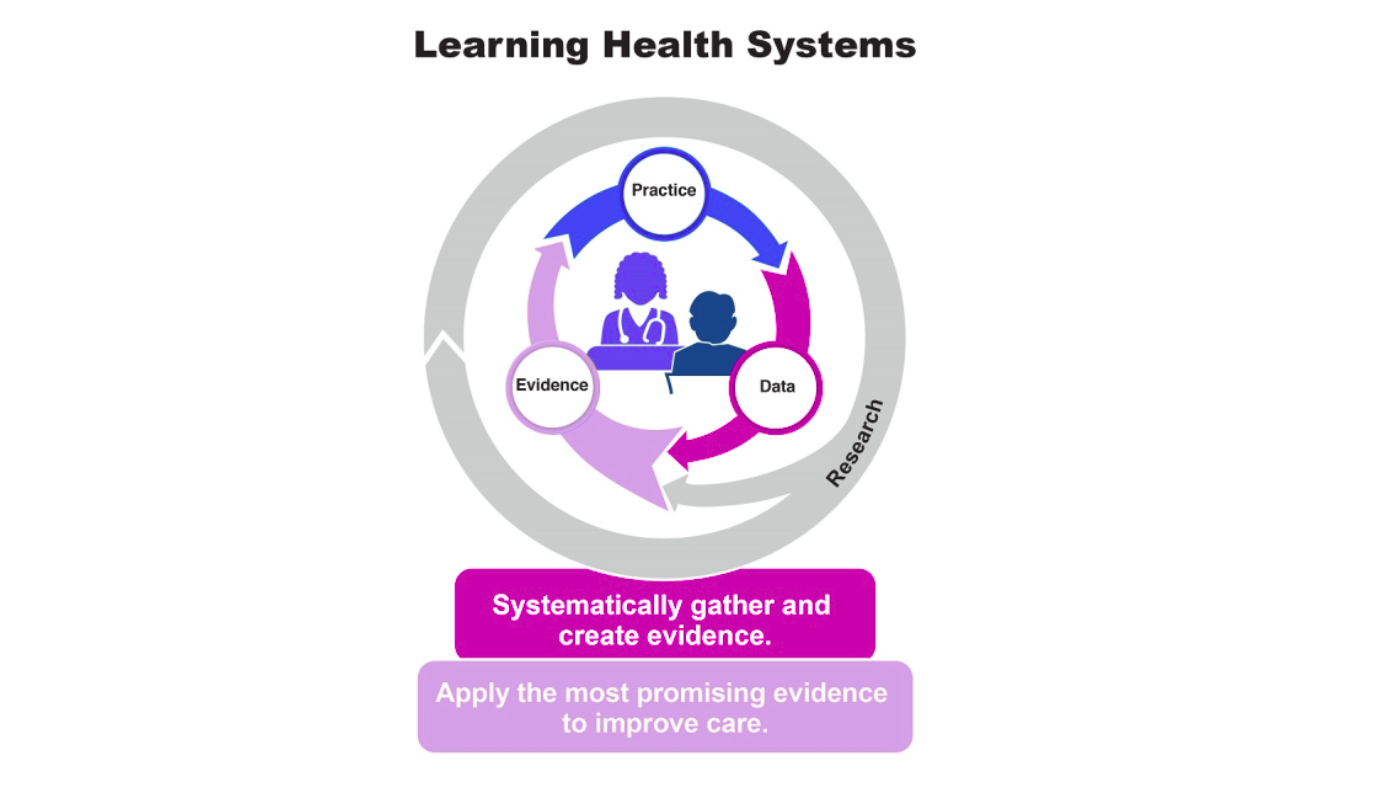
With the rapid transformation in tech and healthcare, the adoption of Learning Health Systems (LHS) presents an unparalleled opportunity for enhancing patient care and overall system efficiency. As defined by the Agency for Healthcare Research and Quality (AHRQ), a Learning Health System systematically integrates internal data with external evidence and knowledge, translating them into clinical practice. This process not only boosts the quality of patient care but also enhances the efficiency and safety of healthcare provision.
Why Learning Health Systems?
In Learning Health Systems, data and experience are not merely collected but are actively used to improve outcomes. Patients receive care that is continuously refined based on real-time feedback and learning. This results in higher quality, safety, and efficiency in healthcare delivery. Furthermore, these systems make healthcare organizations better workplaces due to a constant culture of improvement and learning.
Unique Position of Integrated Providers
Large integrated healthcare providers are uniquely positioned to leverage Learning Health Systems due to the vast amounts of data they generate and manage. These providers, often at the forefront of healthcare delivery, have access to extensive clinical data from diverse patient populations across various settings - from outpatient clinics to specialized care units. This wealth of data provides a rich substrate for driving insights and fostering an evidence-based approach to care.
The centralized nature of data in integrated providers enables more seamless integration and analysis, crucial for a responsive Learning Health System. By systematically gathering and applying evidence in real-time, these providers can swiftly guide clinical care adjustments that are informed by concrete data, rather than by trial and error. Additionally, the scale of these providers supports extensive IT infrastructure, enhancing the capacity to share and implement new findings quickly across the system, ensuring that everyone wins.
Examples of Successful Learning Health Systems Several international examples underscore the successful implementation of LHS:
Kaiser Permanente (United States) With a focus on preventive care and effective disease management, Kaiser Permanente utilizes its vast data resources to inform patient care and operational decisions. Their electronic medical record system, HealthConnect, facilitates widespread data integration and access, aiding in the systematic application of insights to improve patient outcomes across their network.
National Health Service (NHS, United Kingdom) The NHS has embarked on various initiatives to embed learning systems within its framework. Projects like the 100,000 Genomes Project exemplify how patient data is used to tailor treatments and improve disease understanding, setting a blueprint for personalized medicine based on genetic information.
Singapore Health System Characterized by its robust technology integration, Singapore’s health system utilizes national electronic health records to enhance continuity of care across different providers. Data-driven strategies support preventive health measures and the management of chronic diseases, aligning with the core objectives of LHS.
A Call to Action: Learn Fast, Not Fail Fast
While Silicon Valley's mantra of "fail fast" sounds cool and appealing, in healthcare, the stakes are too high for such an approach. Instead, Learning Health Systems embrace a "learn fast" paradigm, using robust data to iterate and improve quickly without the risks associated with failure in clinical settings.
The Way Forward
As more healthcare organizations embrace value-based care, those that do not adapt their operational models risk obsolescence. It is crucial that large integrated health providers lead the charge in adopting Learning Health Systems, leveraging their data mines not just for operational efficiency but for significant clinical transformation.
References:
Agency for Healthcare Research and Quality. (2019, March). About Learning Health Systems. Retrieved May 1, 2024, from https://www.ahrq.gov/learning-health-systems/about.html
Learning Health System Guidance. (n.d.)Building a Learning Health System: Tools, Models, and Frameworks1. Retrieved May 1, 2024, from the website dedicated to Learning Health System projects.
Hardie, T., Horton, T., Thornton-Lee, N., Home, J., & Pereira, P. (2022). Developing learning health systems in the UK: Priorities for action. The Health Foundation. https://doi.org/10.37829/HF-2022-I06
Allen, C., & Mettert, K. (Year). A roadmap to operationalize and evaluate impact in a learning health system1. Learning Health Systems. Kaiser Permanente Washington Health Research Institute. A practical roadmap to guide learning health systems | KPWHRI (kpwashingtonresearch.org)
Foley, T. (Year). The Role of Health Education England Knowledge and Library Services in Supporting Learning Health Systems. Retrieved from Supporting Learning Health Systems - (library.nhs.uk)
Ministry of Health Singapore. (n.d.). Learn more about Singapore’s Healthcare System1. Retrieved May 1, 2024. Retrieved from MOH | Singapore's Healthcare System